The buyer’s inspection is an essential step in protecting your interests when buying a new home. Understanding what to expect can help ensure you get it right.
 A home inspection is integral to managing risk when buying a home and should therefore be a written as a contingency in virtually every offer. It offers the buyer a chance to bring a licensed expert in to review a home in detail following acceptance of a contingent purchase agreement.
The home inspection will help document a home’s features, issues and general condition, breaking down items in need of immediate attention as well as maintenance items to be addressed later.
Your inspector should be licensed and can be found via referral or by using the Find a Home Inspector feature on the American Society of Home Inspectors website. Your home inspector will provide a sample report for you to review prior to engagement. Fees for an inspection typically range from $200 to $400+ based on the size of the home. The inspection itself generally takes two to three hours to complete.
Five best practices can help you make the most of your inspection:
1. Be Present
Walking through your potential new home with a licensed inspector is crucial to understanding not only red flags, but maintenance you may have to address in the future.
Being fully engaged and asking questions can also help you discern which items are major and important versus those that are trivial and to be expected. You’ll receive a written report either way, but participating in the process can help allay any fears and ensure you understand your potential new home
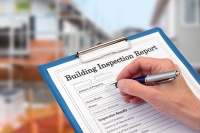
2. Be Prepared for a Long List of Findings
Home inspectors are detailed people who are hired to find issues, therefore issues they will find. This detailed analysis can help you ferret out concerns and avoid surprises, but it can also be overwhelming for the uninitiated. Every home has nuances and items that an inspector will note (especially older homes). Do not be discouraged if the list grows long. Many will be small maintenance issues, or simply raise questions to ask of the sellers. The important part of the process is categorizing issues as outlined in best practice #3.
3. Identify Major -vs- Superficial Issues
Your inspector can help you determine which items rise to the level of major, but the list includes items you might expect. Poor wiring, foundation issues, environmental concerns, mold and others represent significant concerns that should understood fully. Your seller’s disclosure should help you understand existing issues, but If something significant and unforeseen arises, you should consider carefully whether you may wish to void your purchase agreement.
4. Review Inspection Report with your Agent
An experienced real estate agent will have a depth of knowledge about the home inspection process and can help you digest the inspector’s findings. Be sure to engage yours following the inspection to review the list of items and help categorize them as trivial, actionable or deal breaking. Lean on their breadth of experience as an objective third party to help you determine the best course of action.
5. Take Action Post Inspection
Following an inspection and review with your agent, you likely have three options:
- Define repairs you’d like to see addressed- your agent can help you document these and thus begin a negotiation with the seller to determine which repairs to pursue and whether those are to be completed by the seller, or if funds to cover the repairs may be credited to the sale price
- Accept the condition of the home- under this option you accept that nothing major cropped up and can remove your offer’s contingency
- Walk away from the deal- if major undisclosed issues are uncovered, you may choose to rescind your offer, retaining your earnest money
By far the most common scenario listed is the first one. While inspection reports can be lengthy, they typically uncover a handful of items that need to be addressed to bring a property up to code or otherwise raise it to the level of acceptable for sale. Your agent can help you determine which items rise to this level and help walk you through resolving them.
The Bottom Line
The buyer’s inspection is one of the final steps in the purchasing process, but it is also a crucial one to protect your best interests. The key component throughout this process is the aid of an experienced real estate professional. An effective buyer’s agent is not a sales person trying to sell you a home, they are a partner for your buying journey, applying expertise and offering guidance along the way. This is true throughout the process, but pays particular dividends during the inspection phase.
That is why engaging the right agent is so important. Zach Adams take his responsibility as your advocate seriously and has hundreds of satisfied clients across decades of transactions in the west metro of Minneapolis. He can carefully and fully explain the inspection process or any of the other many components to buying and selling homes.
Buying a home can be challenging, but in partnership with Zach it need not be overwhelming. Contact Zach today at 612.845.789 to learn how he can help you at every step along the way.